Christopher Nolan, Gen Z, and the Great 'AI Slop' Rebellion
Christopher Nolan, Gen Z, and the Great 'AI Slop' Rebellion
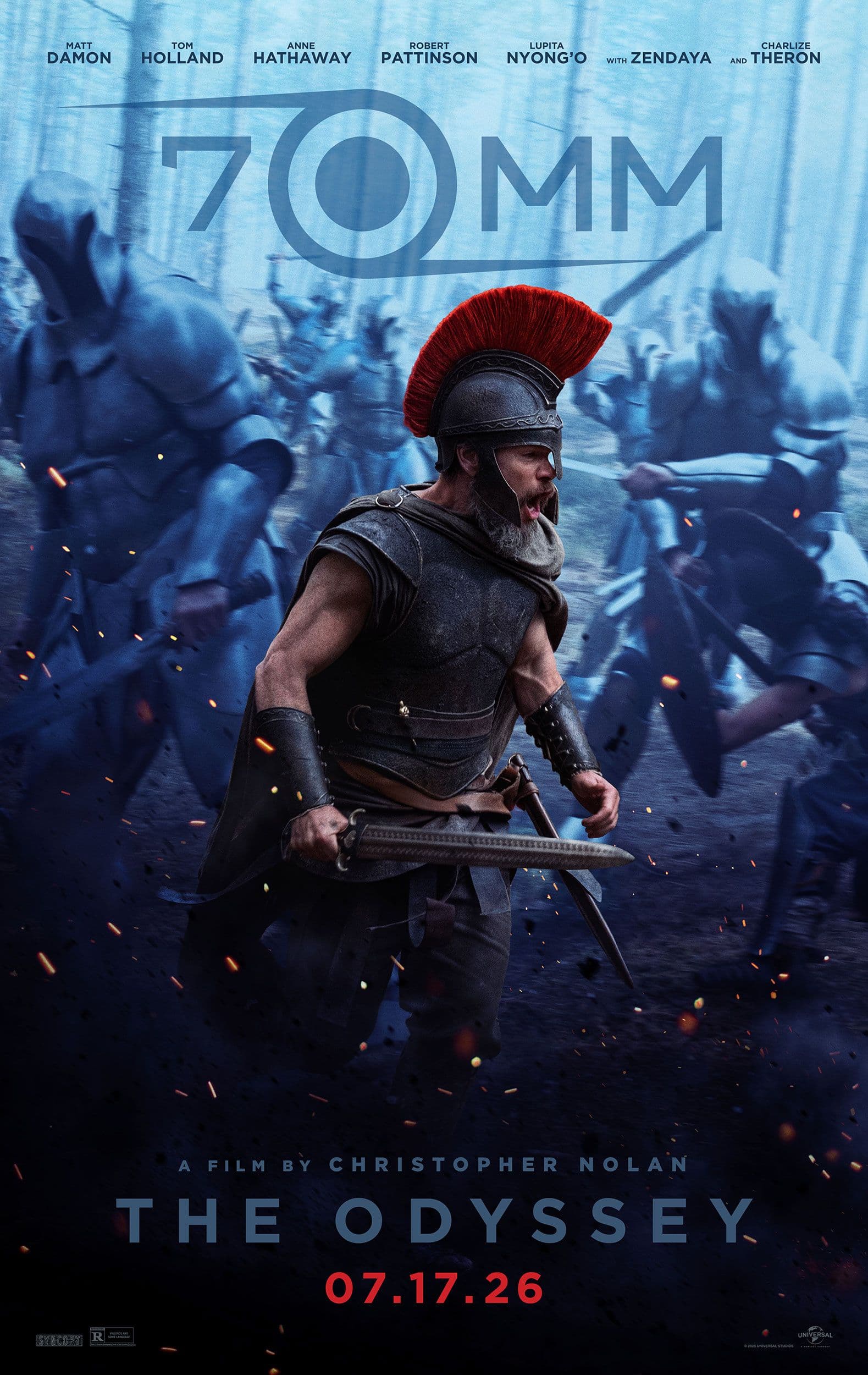
Christopher Nolan doesn’t do "easy." This is a man who famously blew up a real Boeing 747 for Tenet because, presumably, a CGI explosion felt too much like a lie. So, when the director of The Odyssey describes Artificial Intelligence as a "Trojan horse," we should probably stop and listen.
Nolan’s take is delightfully provocative. He suggests the "Greeks are already inside," and the gift we thought we were receiving, infinite efficiency and effortless content, might actually be sacking the city of creative integrity. But the most interesting part of his critique wasn’t directed at the technology itself. It was a nod to the people who are calling it out: Gen Z.
The Rise of 'AI Slop'
Nolan praised younger audiences for coining and popularising the term "AI slop." If you haven't encountered it, "slop" is that uncanny, lukewarm digital gruel that’s begun to clog our feeds, the hyper-saturated, soulless images and the robotic, SEO-stuffed articles that feel like they were written by a toaster.
The data backs this up. A recent Shift report found that 34% of 18-to-24-year-olds believe AI is already "far too dominant." More tellingly, 67% are worried about its environmental impact. This is the generation that grew up with a smartphone in their hand, yet they are the ones most likely to look at a perfectly polished AI image and swipe left in disgust.
The Irony of the Heavy User
There is a delicious irony here. This same demographic adopts AI-first search tools faster than any other group. They are using the tools daily, yet they are their sharpest critics.
Is this a contradiction? Not at all. It’s discernment.
When you spend your entire life navigating digital environments, you develop a sixth sense for the artificial. You notice when a brand is being lazy. You see the "Greeks inside the horse" long before the gates are even open. For Gen Z, AI isn't a magic wand; it’s a utility that, when used poorly, reveals a lack of care.
The Authenticity Differentiator
For brands and agencies, this is a "pull the emergency brake" moment. For the last eighteen months, the conversation has been about how to use AI to do more for less. How can we automate our social posts? How can we generate our blog content? How can we replace the photographer?
The answer, it turns out, is that you can, but your audience will hate you for it.
"AI-slop avoidance" is becoming a genuine competitive advantage. Being clearly, provably, and visibly human in your creative output is no longer just a "nice to have"; it’s a differentiator. If you’re planning your content for the next six months, the question shouldn't just be "how much can AI do?" but "where does the human hand need to be visible?"
Finding the Balance
While we must acknowledge Nolan’s "Trojan horse" warning, we don't necessarily have to burn the horse to the ground.
The positive path forward isn't to reject AI, but to treat it as the brush rather than the painter. AI is an incredible tool for research, for overcoming the blank page, and for handling the mundane tasks that get in the way of real thinking. When used to augment human craft, to allow a designer to spend more time on the concept and less time on the masking, it’s a miracle.
The "Greeks" inside the horse don't have to be invaders. They can be collaborators. But only if we stop trying to pass off their work as our own.
The future of creative work isn't about hiding the AI, it’s about being so human that no one could ever mistake your work for "slop."
Nolan is right. The public is skeptical. But skepticism is just another word for high standards. And in a world of infinite slop, high standards are the only thing worth paying for.

check out our
other ramblings